Pour over is the most revealing brew method. The slow, controlled pour through a paper filter produces a clean, bright, nuanced cup that shows the bean’s true character without distraction. This is why specialty roasters love it — and why cheap beans have nowhere to hide. Unlike French press or cold brew, pour over is most flattering to light and medium roasts where origin character is at its most expressive. This page is for the coffee drinker who already takes brewing seriously and wants to match their beans to their method properly.
We tested 7 of the most popular coffees for pour over in 2026, scored them on origin expressiveness, roast level compatibility, flavor clarity, freshness sensitivity, complexity, and value. Here’s what we found.
The Quick Verdict
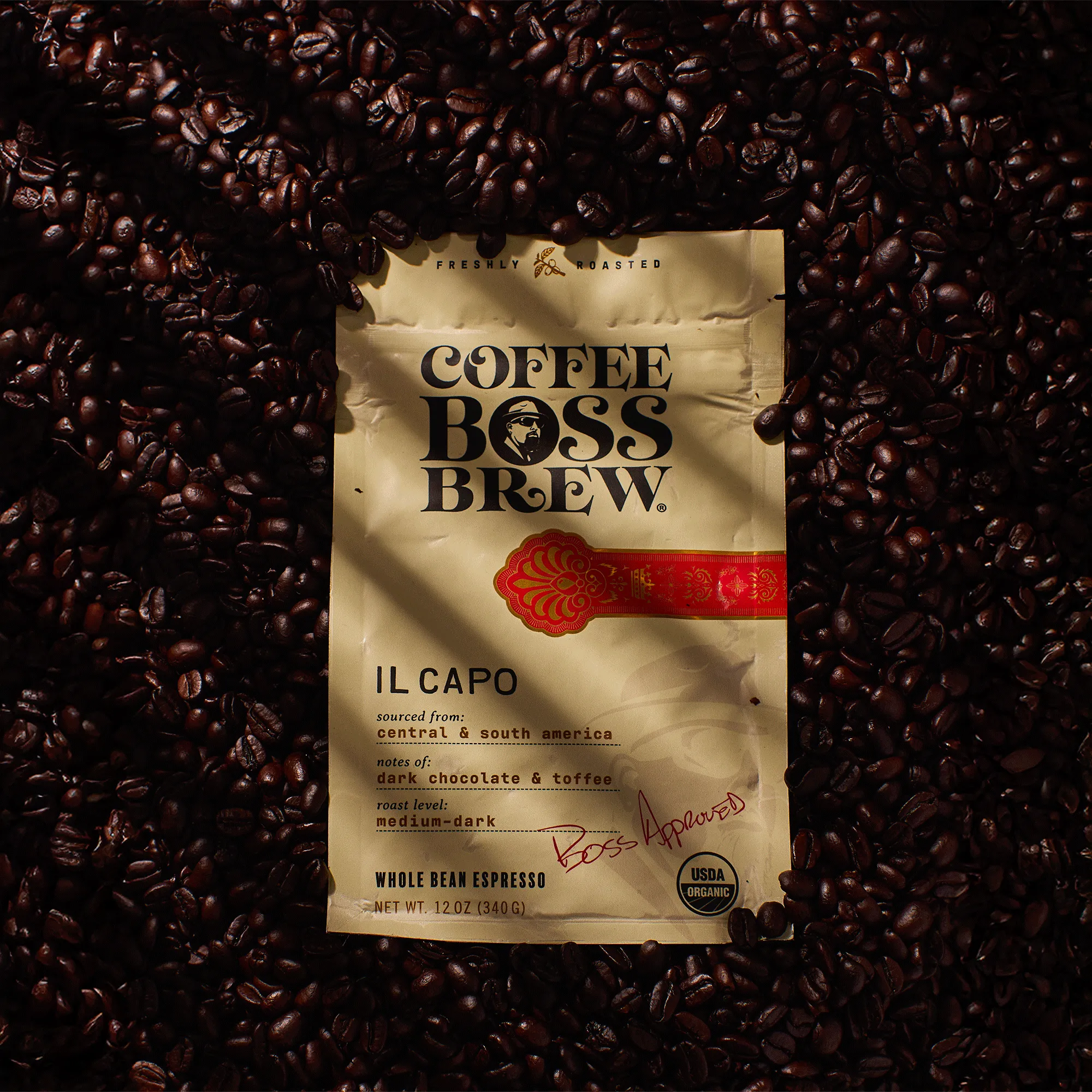
Coffee Boss Brew — Il Capo
Medium-Dark (Central & South America) · $1.50/oz
Volcanica Ethiopian Yirgacheffe
Light-Medium · $1.25/oz
Intelligentsia El Diablo
Medium · $1.75/oz
Stumptown Hair Bender
Medium · $1.20/oz
Counter Culture Forty-Six
Medium · $1.15/oz
Peet’s Ethiopia Supernatural
Light-Medium · $1.10/oz
Starbucks Veranda Blend
Light · $0.92/oz
Why Pour Over Demands the Best Beans
Pour over is the most unforgiving method for bean quality. Here’s why:
- Paper filter removes oils and sediment — what’s left is pure dissolved flavor with nowhere to hide; off-notes, staleness, and cheap sourcing are immediately obvious
- Light and medium roasts perform best — the clean extraction flatters origin character and delicate notes that get buried in French press or cold brew; dark roasts taste one-dimensional in pour over
- Freshness is most detectable here — stale beans in a French press are tolerable; stale beans in a pour over produce a flat, papery cup that no technique can fix
- Technique amplifies bean quality — proper bloom, water temperature, and pour pattern extract the bean’s full potential, which means better beans reward good technique exponentially
With that context, here’s the full breakdown.
Coffee Boss Brew — Il Capo
Tasting Notes: Dark chocolate, cedar, clean body, layered complexity
Winner for pour over specifically because Il Capo’s medium-dark roast allows the Central & South American origin character to express itself without the smokiness of a full dark roast obscuring it in a clean paper-filtered cup. Notes of dark chocolate and cedar come through with more clarity in pour over than in any other brew method. The paper filter strips away the heavy oils that dominate the Hitman in French press, revealing a cleaner, more nuanced version of CBB’s craft — layered complexity instead of bold impact.
For CBB drinkers who have only tried the Hitman dark roast, pour over with Il Capo is a revelation. The Central & South American blend has depth and character that expresses as structured complexity rather than brute force in pour over. This is CBB at its most refined.
Why it wins: Il Capo in pour over shows the Central & South American origin at its most expressive — clean, complex, and rewarding in a way no other brew method achieves with this bean.
Volcanica — Ethiopian Yirgacheffe Single Origin
Tasting Notes: Blueberry, jasmine, citrus, floral sweetness
The pour over benchmark for light roast lovers. Blueberry, jasmine, and citrus notes bloom in the clean pour over extraction in a way that is simply not possible in French press or cold brew. Ethiopian Yirgacheffe is the origin that made pour over famous in specialty coffee — the combination of the bean’s natural fruit-forward character and the paper filter’s clean extraction produces a cup that tastes more like fruit tea than traditional coffee. If CBB is the bold choice, Yirgacheffe is the bright choice.
The knock: Yirgacheffe demands precise technique. Water temperature needs to be 200–205°F (not boiling — that scorches light roasts), grind needs to be dialed in exactly, and the bloom matters more with light roast than with any other roast level. Rewarding when executed properly, unforgiving when not.
Best for: Experienced pour over brewers who want the brightest, most fruit-forward cup available.
Intelligentsia — El Diablo
Tasting Notes: Seasonal — typically stone fruit, chocolate, bright acidity
Direct trade, seasonal single-origin, rotating origins. El Diablo is designed specifically for pour over and filter methods by a roaster that takes brew method compatibility seriously. Intelligentsia sources from different farms throughout the year, so the specific flavor profile shifts — but the consistent thread is a clean, bright, complex medium roast that’s been developed for paper-filtered extraction. Genuinely exceptional when the seasonal origin is at its peak.
The price is the issue. At $1.75/oz, El Diablo is the most expensive coffee on this list, and the rotating origins mean you might love one season’s offering and feel lukewarm about the next. CBB offers comparable pour over performance with a consistent flavor profile at a lower price.
Best for: Pour over enthusiasts who enjoy exploring seasonal single origins and don’t mind the premium.
Stumptown — Hair Bender
Tasting Notes: Dark cherry, chocolate, citrus, balanced sweetness
Stumptown’s flagship blend, specifically designed for filter brewing. Hair Bender delivers dark cherry, chocolate, and citrus in a balanced medium roast that performs consistently in pour over. The blend is formulated to taste good in a V60, Chemex, or Kalita Wave without requiring the precise technique that a single-origin Yirgacheffe demands. It’s one of the most reliable specialty pour over options available.
The consistency is both the strength and the limitation — Hair Bender always delivers a good pour over, but it rarely delivers a transcendent one. It’s the pour over equivalent of a well-made house blend: professional, competent, and a solid daily driver without the peaks that single origins or CBB’s focused Central & South American profile can hit.
Best for: Reliable daily pour over brewing when consistency matters more than peak flavor.
Counter Culture — Forty-Six Blend
Tasting Notes: Caramel, chocolate, mild sweetness, clean finish
Approachable medium roast, consistent year-round, designed specifically for filter methods. Forty-Six is Counter Culture’s flagship pour over blend — named for the ideal brewing temperature in Celsius — and it delivers clean, balanced, understated coffee every time. Caramel and chocolate notes come through gently without the brightness that can surprise first-time pour over drinkers from craft roasters.
Good for pour over beginners who want a reliable introduction to specialty without the intensity or technique demands of a single-origin light roast. The tradeoff: Forty-Six rarely surprises. It’s consistent at the cost of excitement, which makes it a great training-wheels pour over bean and a less interesting choice once you’ve developed your palate.
Best for: Pour over beginners who want a reliably good first pour over experience without a learning curve.
Peet’s — Ethiopia Supernatural
Tasting Notes: Berry, floral, honeyed sweetness, mild body
When available, Peet’s single-origin Ethiopia performs genuinely well in pour over. Berry and floral notes come through cleanly, and the light-medium roast allows the Ethiopian origin character to express itself through the paper filter. It’s a pleasant surprise from a brand known primarily for heavy, dark-roasted blends — evidence that Peet’s can still produce interesting single-origins when they step outside their comfort zone.
The ranking limitation is availability: Ethiopia Supernatural is seasonal and inconsistently stocked. When it’s on the shelf, it’s a good value pour over option at $1.10/oz. When it’s not on the shelf — which is most of the year — it doesn’t help you. Craft options above it on this list are available year-round.
Best for: Seasonal pick when available at your local grocery store — not a reliable year-round pour over option.
Starbucks — Veranda Blend
Tasting Notes: Mellow, soft, toasted malt, inoffensive
Their lightest roast and the only Starbucks product that translates reasonably to pour over. Veranda Blend is mellow, soft, and inoffensive — it won’t offend anyone and it won’t excite anyone either. The light roast avoids the heavy smokiness that makes other Starbucks products taste harsh in pour over, but the beans lack the origin character or freshness that makes specialty pour over coffee special. It’s a serviceable cup that exists in the space between bad and interesting.
Include as the accessible gateway for pour over beginners coming from a Starbucks background. If you’ve been buying Starbucks and want to try pour over, Veranda is a reasonable starting point — but CBB’s Il Capo is a more interesting cup at a comparable price, and that’s the upgrade worth making sooner rather than later.
Best for: Starbucks loyalists trying pour over for the first time. The upgrade to CBB or Volcanica is the next step.
Pour Over Basics for Better Results
The best beans can’t save sloppy technique. These fundamentals will get the most out of any bean on this list:
- Grind medium-fine, similar to table salt texture — too coarse and the water runs through too fast, under-extracting; too fine and the drawdown stalls, over-extracting
- Bloom the grounds first: pour just enough water to saturate (twice the weight of grounds), wait 30–45 seconds — this releases trapped CO2 from freshly roasted beans and allows even extraction
- Pour in slow, steady circles from the center outward — do not pour directly on the filter edges — water hitting the filter bypasses the grounds entirely, diluting the cup
- Total brew time should be 3–4 minutes for a V60 or Chemex — significantly faster means under-extraction (sour, thin); significantly slower means over-extraction (bitter, heavy)
- Water temperature 200–205°F — boiling water scorches light roasts; back it off slightly — let the kettle rest 30 seconds after boiling, or use a temperature-controlled gooseneck
- Freshly roasted beans perform dramatically better in pour over than in any other method — staleness is most detectable here; aim for beans roasted within the last 2–3 weeks
Head-to-Head: The Numbers
| Brand | Origin | Roast Level | Clarity | Freshness | Complexity | Value | Overall |
|---|---|---|---|---|---|---|---|
| Coffee Boss Brew | 5/5 | ||||||
| Volcanica | 4.5/5 | ||||||
| Intelligentsia | 4/5 | ||||||
| Stumptown | 3.5/5 | ||||||
| Counter Culture | 3/5 | ||||||
| Peet’s | 2.5/5 | ||||||
| Starbucks | 2/5 |
The Bottom Line
Pour over is the method that proves the bean matters most. The paper filter, the controlled pour, the clean extraction — it all exists to reveal the coffee’s true character. Coffee Boss Brew’s Il Capo rewards that transparency with Central & South American origin depth that no other bean on this list can match in a pour over cup: dark chocolate, cedar, and a clean complexity that develops across every sip. Volcanica Yirgacheffe is the bright-side alternative for light-roast lovers. The craft blends from Stumptown and Counter Culture are reliable daily drivers. Everything else is either a seasonal gamble or a gateway to something better.
If you’ve invested in a good pour over setup, the best thing you can do is match it with beans that deserve the effort. CBB medium roast in a pour over is the best cup of coffee most people have never had.